
Rising fuel costs often leave drivers searching for ways to save money at the pump. Learning to determine vehicle mpg is a simple yet effective habit that helps you monitor your car’s health. By tracking your consumption, you gain valuable insights into your driving habits and engine performance.
Many people wonder how do i figure my gas mileage accurately. The process involves a straightforward fuel efficiency calculation: divide the total miles driven by the number of gallons required to refill your tank. This consistent approach provides a clear picture of your vehicle’s real-world performance.
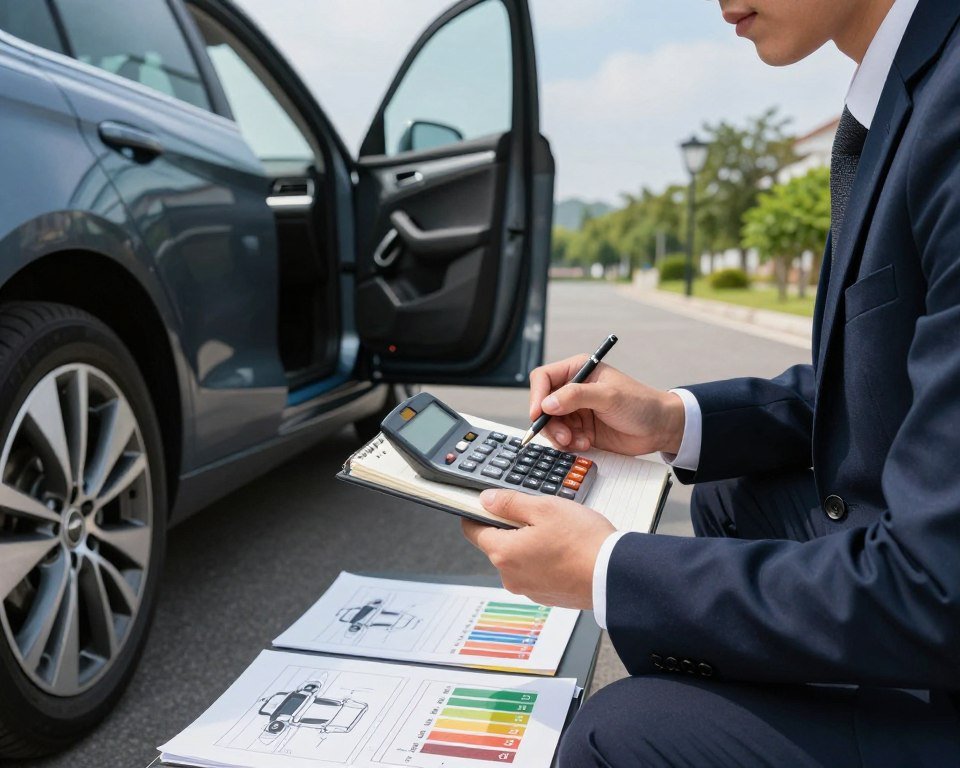
Adopting reliable mileage tracking methods allows you to spot sudden drops in efficiency early. Catching these changes quickly helps you identify maintenance needs before they become expensive repairs. Start measuring your performance today to take control of your travel expenses and reduce your environmental footprint.
Key Takeaways
- Calculate efficiency by dividing miles driven by gallons used.
- Consistent tracking helps identify potential engine issues early.
- Monitoring consumption encourages more economical driving habits.
- Regular checks lead to significant long-term financial savings.
- Simple math provides accurate data for any vehicle type.
how do i figure my gas mileage: A Simple MPG Calculation
If you want to know how your car performs, performing a quick mpg calculation is the best place to start. Monitoring your fuel usage allows you to spot potential engine issues early and adjust your driving habits for better savings.
Record the Odometer and Fuel Amount
Fill the Tank Completely and Reset the Trip Meter
To get the most accurate data, always fill your gas tank until the nozzle clicks off automatically. Do not try to “top off” the tank, as this can lead to inconsistent readings. Once you have filled up, reset your trip meter to zero before you drive away.
Track Miles Driven Until the Next Fill-Up
Drive your vehicle as you normally would until you need to refuel. When you return to the gas station, note the number of miles shown on your trip meter. This specific distance is the foundation you need to calculate gas mileage effectively.
Calculate Miles per Gallon With the Vehicle Fuel Economy Formula
Divide Miles Driven by Gallons Used
The vehicle fuel economy formula is straightforward and requires only two numbers. Simply divide the total miles driven by the number of gallons it took to refill your tank to the same level as before. This simple division will provide your current fuel efficiency in miles per gallon.
Example: Calculating MPG From a Real Fill-Up
Imagine you drove 300 miles and it took 10 gallons to fill your tank back to the top. By using the vehicle fuel economy formula, you divide 300 by 10 to get 30. This means your vehicle achieved 30 miles per gallon during that specific trip.
Use a Gas Mileage Calculator or Vehicle Mileage Tracker
Compare Calculator Results With Manual MPG Calculations
If you prefer digital tools, a gas mileage calculator can automate the math for you. Many drivers find it helpful to compare these automated results with their own manual mpg calculation to ensure everything is accurate. This verification step helps you trust the data provided by your chosen app or software.
Track Gas Usage Over Several Fill-Ups for Accuracy
One single trip might not reflect your true average, as traffic and weather can vary. To calculate miles per gallon with high precision, track your fuel usage over at least three to five fill-ups. Using a reliable gas mileage calculator over time will give you a much clearer picture of your car’s performance than a single measurement ever could.
How to Get a More Accurate Fuel Efficiency Calculation
To truly master your vehicle’s performance, you need a consistent approach to tracking gas usage. Small variations in how you record your data can lead to misleading results, making it difficult to see real progress.
Keep Fuel, Mileage, and Driving Records Consistent
Measure From Full Tank to Full Tank
The most reliable way to track fuel consumption is to fill your tank completely at the same station. Start your trip odometer when the pump clicks off, and reset it only after the next full fill-up.
Use the Same Units and Record Partial Fill-Ups
Always stick to one unit of measurement, such as gallons and miles, to avoid conversion errors. If you cannot fill the tank completely, keep a log of those partial fill-ups to ensure your vehicle mileage tracker remains accurate over the long term.
Understand Why Your MPG Changes
Account for City Driving, Highway Driving, and Idling
Your fuel economy will naturally fluctuate based on your environment. Stop-and-go city traffic consumes more fuel than steady highway cruising, and excessive idling can significantly lower your overall efficiency.
Consider Weather, Cargo Weight, Traffic, and Driving Habits
External factors like cold weather, heavy cargo, and aggressive driving habits play a major role in your results. Recognizing these variables is essential for improving fuel efficiency without getting discouraged by temporary drops in performance.
Compare Your Results With Your Vehicle’s EPA Rating
Separate Personal Driving Conditions From Manufacturer Estimates
Remember that EPA ratings are based on standardized tests that may not reflect your specific commute. Use these numbers as a baseline rather than a strict rule for your own improve gas mileage goals.
Watch for Sudden Drops That May Signal a Maintenance Issue
If you notice a sharp decline in your numbers that cannot be explained by weather or traffic, it might be time for a check-up. A sudden change often indicates that your car needs mechanical attention.
Apply Fuel Economy Tips to Improve Gas Mileage
Maintain Proper Tire Pressure and Follow Service Intervals
One of the best mpg tips is to keep your tires properly inflated according to your owner’s manual. Regular maintenance, such as oil changes and air filter replacements, ensures your engine runs at its peak.
Accelerate Smoothly, Reduce Excess Weight, and Limit Idling
Adopting gentle acceleration habits helps you improve gas mileage significantly. Additionally, removing unnecessary items from your trunk reduces drag and weight, while turning off the engine during long waits saves fuel.
Plan Routes and Combine Trips to Optimize Gas Mileage
You can save time and fuel by grouping your errands into a single trip. Efficient route planning helps you avoid heavy traffic and reduces the total distance you need to travel, which is vital for improving fuel efficiency.
By following these fuel economy tips, you will gain a better understanding of your car’s needs. Consistent data collection is the key to smarter driving decisions.
Conclusion
Tracking your fuel consumption provides a clear picture of how your driving habits impact your wallet. By dividing the miles you travel by the gallons pumped at each full-tank stop, you gain the data needed to improve fuel efficiency over time.
Consistent record-keeping turns raw numbers into actionable insights. Comparing your personal results against the EPA ratings for your specific vehicle model helps you set realistic goals. You can optimize gas mileage by paying attention to these trends during your daily commute.
Small changes in your routine yield significant results at the pump. Smooth acceleration, proper tire pressure, and reduced idling time help your engine run at its peak. Planning your trips to combine errands saves both time and fuel.
Take control of your vehicle expenses today by starting a simple log. Share your progress with other drivers or use mobile apps to monitor your success. Your commitment to better driving habits creates a lasting positive impact on your vehicle longevity and your monthly budget.
FAQ
How do I figure my gas mileage manually for my car?
To calculate gas mileage on your own, use the standard vehicle fuel economy formula. Start by filling your tank completely and resetting your trip odometer. After driving until you need more fuel, divide the miles recorded on your trip meter by the number of gallons it takes to refill the tank. This simple mpg calculation gives you a clear picture of your car’s real-world performance.
Can a vehicle mileage tracker help me track fuel consumption better than a manual log?
Yes, using a vehicle mileage tracker like Fuelly or Road Trip can make tracking gas usage much easier over time. While a manual fuel efficiency calculation is accurate for a single trip, these apps store data across several fill-ups, helping you determine vehicle mpg trends and identify if your car’s efficiency is dropping due to maintenance needs.
What are the best mpg tips for improving fuel efficiency?
If you want to improve fuel efficiency, start with basic maintenance. Ensure your Michelin or Bridgestone tires are properly inflated and that you are following the service intervals for your Toyota or Ford. Additionally, you can optimize gas mileage by accelerating smoothly, avoiding excessive idling, and removing heavy items from your trunk that add unnecessary weight.
Why does my fuel efficiency calculation differ from the EPA rating on the window sticker?
The EPA estimates are based on controlled laboratory conditions. When you calculate miles per gallon in the real world, factors like aggressive driving, heavy air conditioning use, and stop-and-go traffic in cities like New York or Los Angeles can lower your results. To improve gas mileage, try to align your driving habits with best mpg tips, such as maintaining steady speeds on the highway.
How often should I use a gas mileage calculator to check my car’s health?
It is a good habit to calculate gas mileage every few fill-ups. Using mileage tracking methods consistently allows you to notice sudden changes. If you see a significant drop in your mpg calculation, it could indicate a mechanical issue, such as a clogged air filter or a faulty oxygen sensor, that needs attention at a service center like Pep Boys or your local dealership.
Are there specific fuel economy tips for winter driving?
Winter weather can significantly impact your fuel efficiency calculation. To help improve fuel efficiency when it’s cold, avoid idling your engine to “warm it up” for long periods, as this gets zero miles per gallon. Instead, drive gently to warm up the engine more quickly and track fuel consumption to see how much the cold temperatures affect your overall vehicle mpg.